Retail CCTV is most effective when it covers the points where people enter, products move, payments happen and incidents are reviewed. Our guide to CCTV installation for shops and offices covers the wider installation planning behind this coverage.
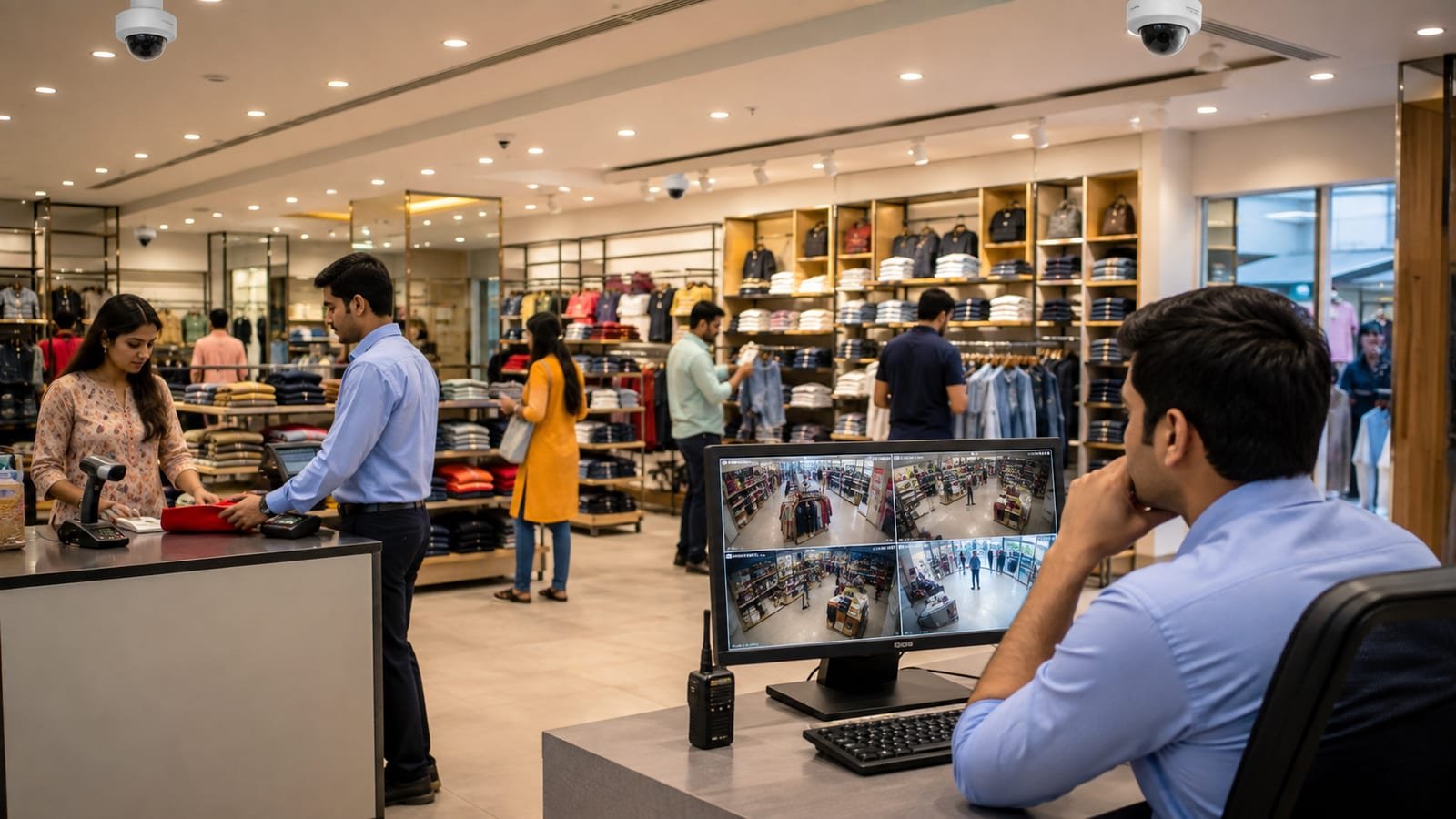
Retail CCTV is most effective when it covers the points where people enter, products move, payments happen and incidents are most likely to be reviewed later. The goal is usable evidence and operational visibility, not simply maximum camera count.
Use an entrance camera that captures people as they enter, not only a wide view of the whole shop. Strong daylight behind customers may require WDR or repositioning.
Cameras should provide context around transactions while avoiding unnecessary close monitoring of sensitive information. The scene should show the interaction clearly enough to review disputes.
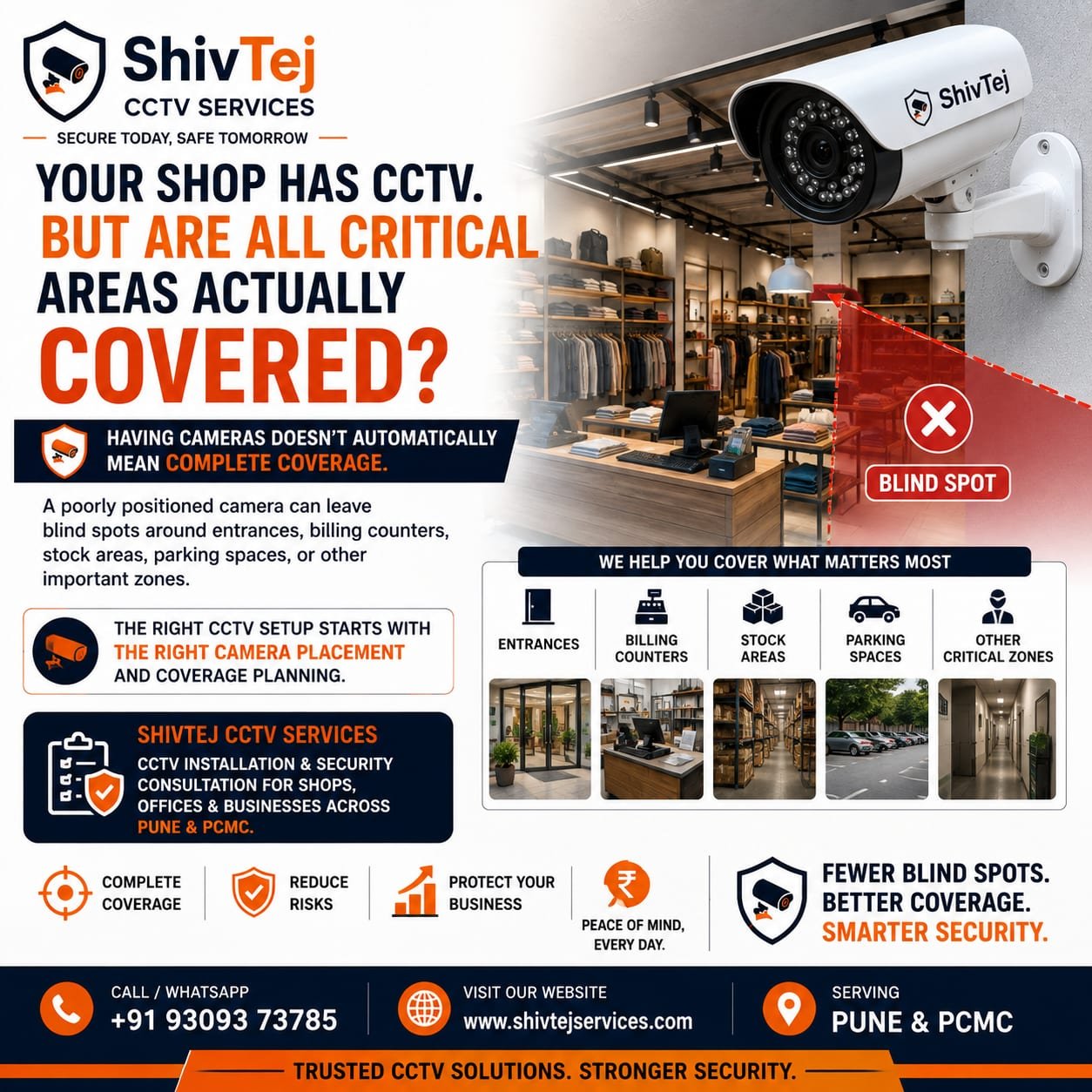
Shelves, displays and seasonal layout changes are common causes of blind spots — coverage should be re-checked whenever the store layout changes.
Shelves, displays and seasonal layouts can create blind spots. Review camera coverage whenever the store layout changes.
Stock rooms, loading doors and staff-only access points are often more relevant to loss prevention than adding another wide camera to the sales floor.
Smart alerts can be configured around entrances or selected zones after closing time. These should be tested to avoid nuisance alerts from road traffic or reflective glass.
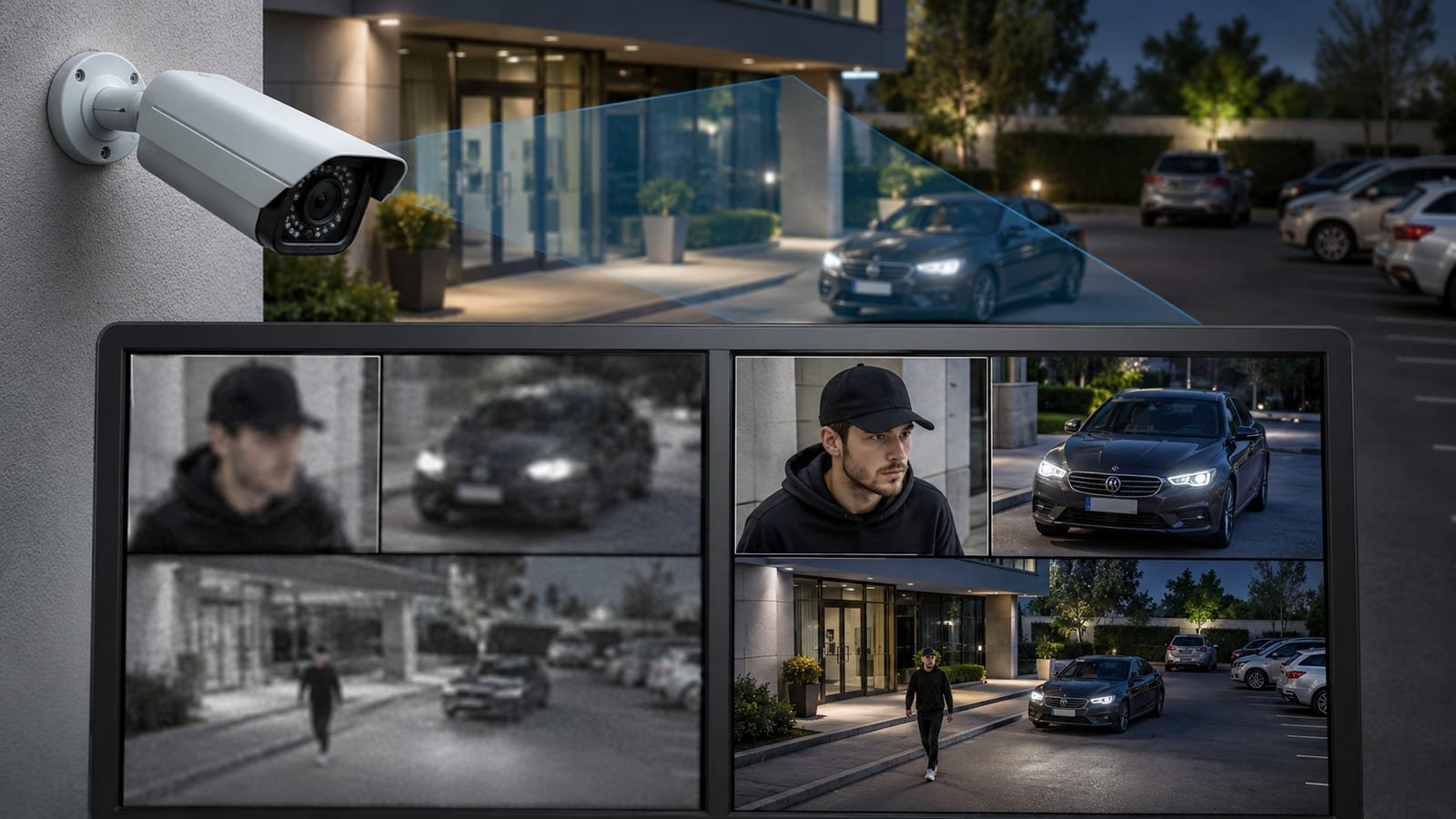
A useful system makes it easier to answer who entered, where they moved, what happened at the billing area and whether the event was recorded continuously. Camera naming and synchronized timestamps make review faster. For practical tips on getting clearer faces and usable timestamps, see our guide on improving CCTV evidence quality.
Retail incidents are not always discovered immediately. Choose a retention period based on stock checks, transaction review cycles and business risk — our CCTV footage storage guide explains how to calculate the right retention for a business.
Clean lenses, check playback, verify hard-drive health and review camera positions periodically—especially after fixtures or displays are moved. Our AMC plans cover exactly this kind of preventive check.
Shivtej CCTV supports homes, shops, offices, housing societies, warehouses and factories with CCTV installation, repair, AMC, DVR/NVR configuration, remote monitoring support, smart CCTV planning and security consultation — with primary service focus in Katraj, Kondhwa, Bibwewadi and Swargate, plus wider coverage across Pune, Kharadi and PCMC. The recommended system should be based on the property, security objective and recording requirement rather than a one-size-fits-all camera package. Call or WhatsApp +91 93093 73785 or get in touch with our team.


Comments
Be the first to comment on this article.